My art is my attempt to make sense of an intergenerational story of displacement that took place in 1948, uprooting my family from their ancestral lands in Palestine. Thrusted into diasporic exile, over generations the Palestinian diaspora has been robbed of their connection to their land along with the sacred rituals, practices, and dignity that can only come from living in one’s land.
Born and raised in Maryland, I felt this uprootedness from a young age, and developed a deep solidarity with people and communities who had been robbed of a connection to their environments. This has informed my life across artistic, professional, and academic practices. Seeking environmental justice and a burning desire to establish profound relationships between people and their environments, my work reignites the deep longing every human has to belong to a land.
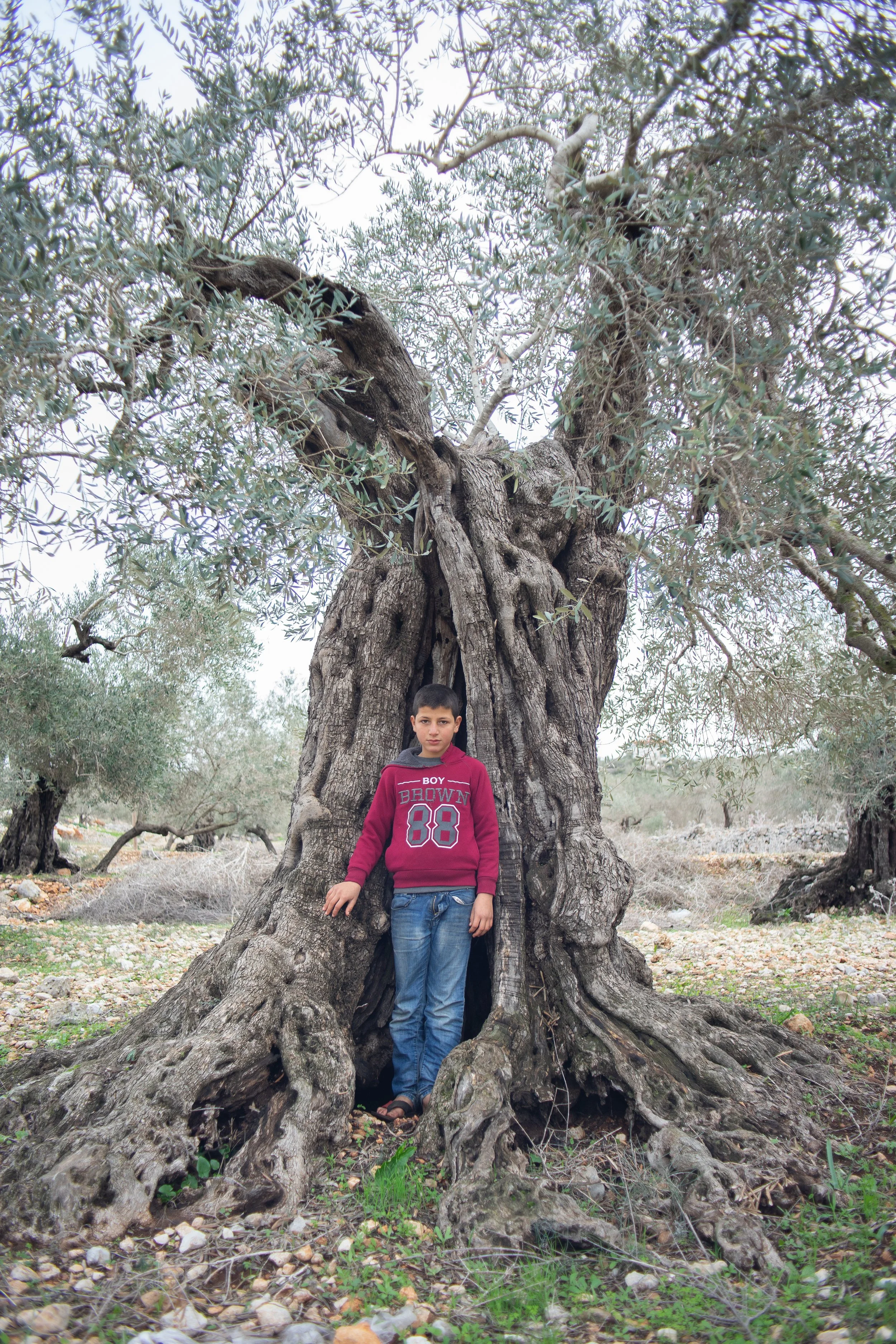
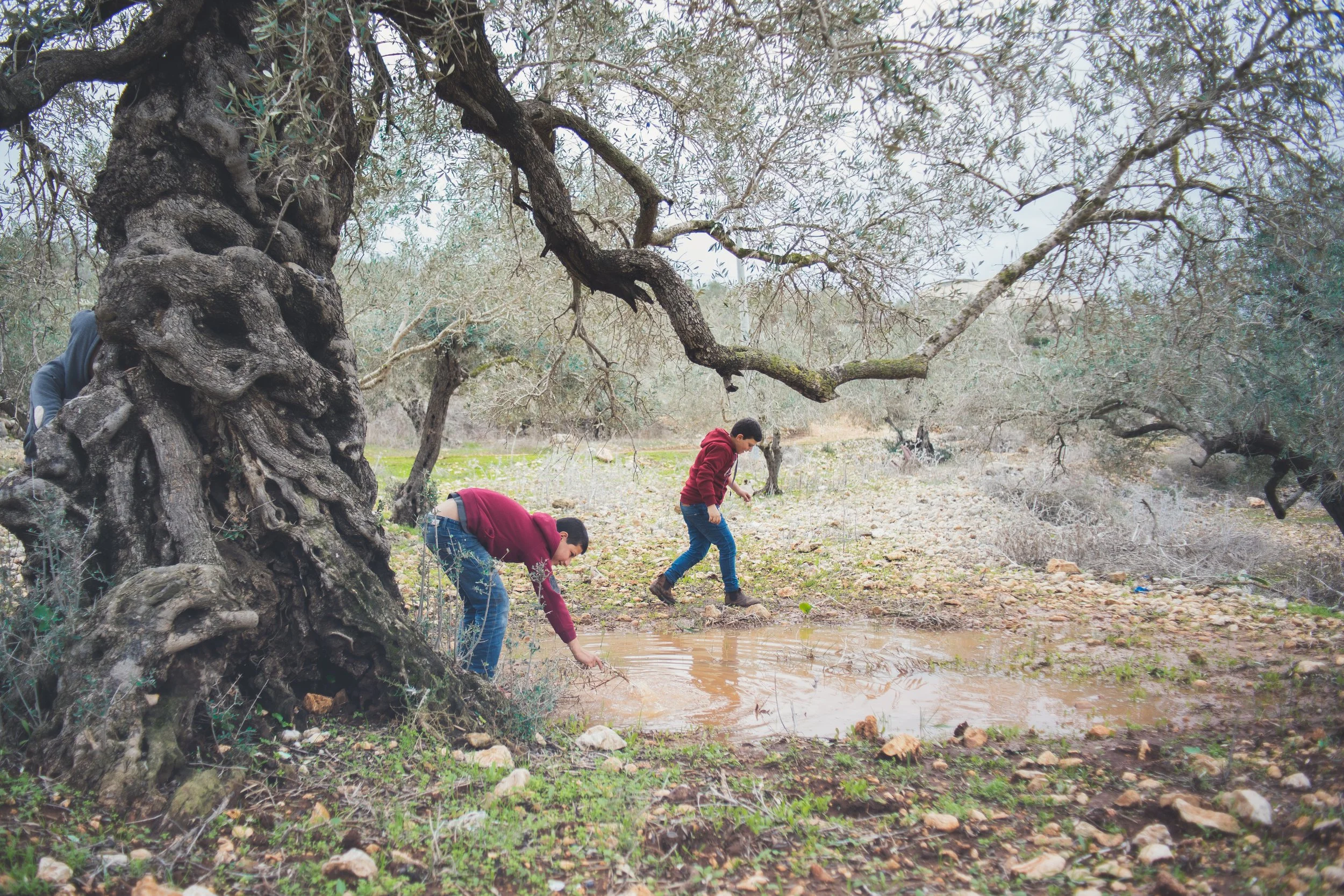
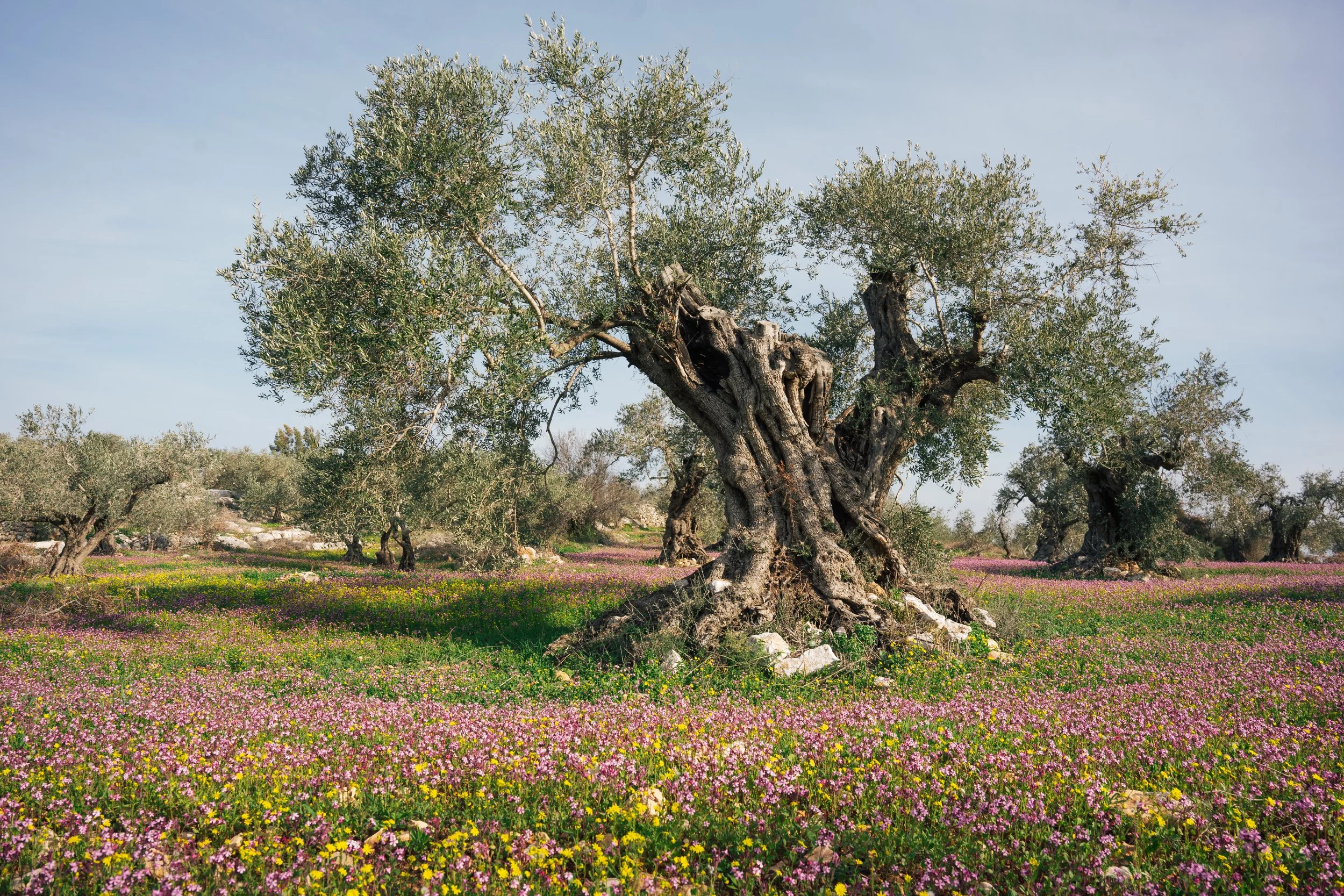
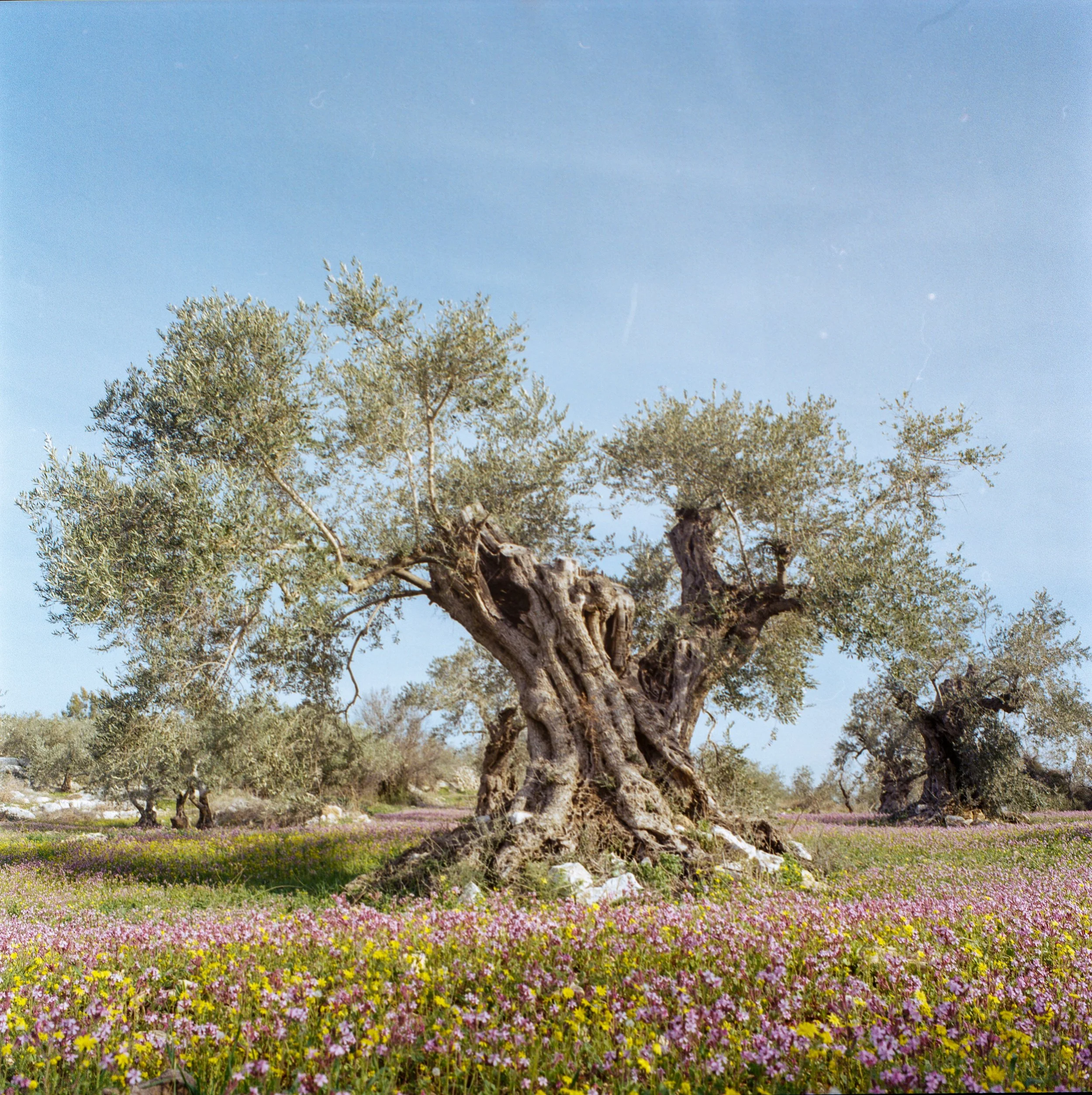
“Rumi”, an ongoing project based in Palestine, is my attempt to capture and preserve Palestine’s natural heritage and my own family history. Pre-1948, my family had farmed their olive groves for hundreds of years. Old-growth olive trees, which can reach thousands of years in age, are not uncommon on our lands, and are deeply revered in our communities. We refer to these trees as “Rumiyahs” in reference to the fact that they were likely planted by our ancestors at the time of the Roman Empire. As the years go by, the trees begin to twist and contort in the most fantastic ways; becoming giants who have presided over the hills for thousands of years. They are a testament to the lasting connection Palestinians have to their land, a direct connection to our ancestors, who continue to provide for us every olive harvest, thousands of years later. Olive trees everywhere, including Rumiyahs, are under threat from the zionist occupation of Palestine. Every year, as more land is stolen and settler violence spreads, thousands of olive trees are uprooted each year, in a manner not unlike our own uprooting in 1948.